

With grilling almost everything seems to be a source of curiosity among the home cooks and even professional cooks, the topic on whether or not we can use wood in a charcoal grill. The simplest thing to answer would be yes, but a better question is what type of wood, and more appropriately what type of charcoal should I use in order to produce the best effect?
In Vietnam Charcoal we feel that knowing the source of charcoal and the wood that it is prepared with should be the starting point of flavor, efficiency and consistency when it comes to grilling.
Wood in a charcoal grill: Does it work?
Wood in a charcoal grill may be a direct grilling process to give an extra touch to your food – applewood, hickory and mesquite are common because of the strong aromatic smoke. Nonetheless, wood burns quickly, irregularly and knowledge to regulate heat is needed.
This is why the majority of professionals prefer using charcoal that is produced of thoroughly selected wood which is much easier to handle and burns with hotter fire and also affords genuine smokiness. What is the actual secret? The kind of wood that that charcoal was manufactured with.
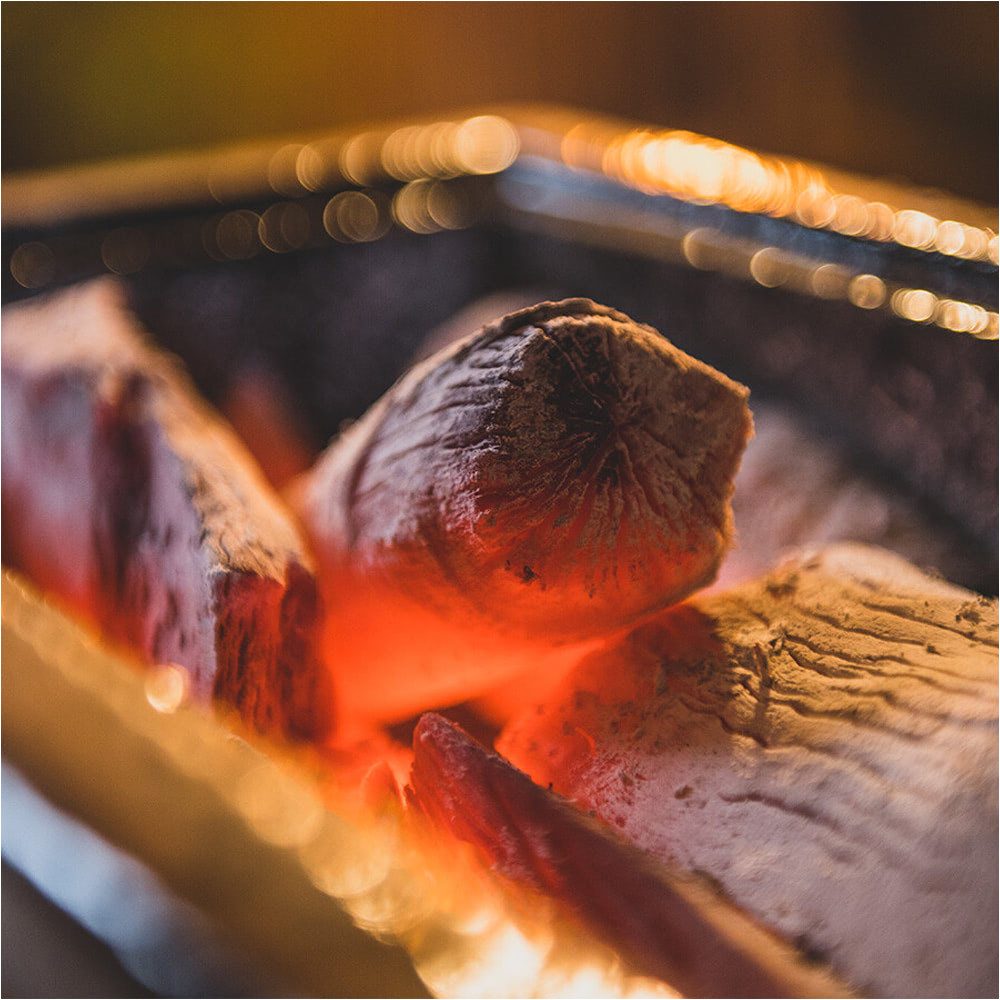
The type of wood determines the quality of your charcoal
The kind of wood used in the production of charcoal is not the last-minute concern when it comes to discussing charcoal performance. The density, moisture content and resin content of the woods have a direct effect on the manner of burn of the charcoal, and this will directly affect not only the heat production and duration of burn; but also the cleanness and flavor. The type of wood you want also dictates your level of consistency and professionalism in grilling.
Hardwood
The wood which is ideal in making high-performance charcoal is hardwood. They are more compact and therefore take longer to carbonize (longer carbonization time) leaving the charcoal at higher levels of fixed carbon and structure. Sawdust briquettes charcoal and white charcoal (binchotan) are made commonly by using sawdust of hardwood species.
Burning of charcoal produced using hardwoods is hot, only burns longer and gives less smoke. This is beneficial and would best suit companies such as restaurants, buffet chains, or professional caterers that would need constant heat and little-to-no maintenance fuel. It also breaks less easily during transportation; this is an important facet to the importers who transport large quantities of them to different parts of the world.

Softwood
Softwoods on the contrary are lighter and more porous and thus they burn up more quickly but they ignite more quickly. When the charcoal is softwood such as eucalyptus or mangrove, its lighting is easier, and hence its usage is preferred when a grill has a short time duration or at home. These kinds of charcoal are popularly selected by restaurants that require a short time to fire up or even outdoor functions whereby convenience in handling is required.
Although in relation to hardwoods, the type of charcoal made of softwoods characteristically has lesser carbon content and also lesser smokiness, high-quality mangroves charcoal stands out very well. As an example, Grade A1 mangrove charcoal produced in Vietnam can produce high heat and is able to last up to 5 hours of burning- this is one of the best black charcoals that exists, beaten only by the best sawdust briquettes in terms of the consistency of its heat value and burning time.
Charcoal types and when to use them
The choice of the type of charcoal will not only be determined by your cooking habits but also by the kind of operational requirements you are faced with such as assuming a commercial kitchen setup, catering services or distributing fuel products to retailers. The following are the types of charcoal which are most frequently used and most generally suited to technical application as well as to general use.
Natural Lump Charcoal (Black Charcoal)
Natural block charcoal is manufactured by simply carbonizing pieces of wood with no compression or binding materials. This form of charcoal in Vietnam is usually made using mangrove, eucalyptus, coffee wood or khaya. These charcoal are preferred as they take a short time to heat i.e. two to four minutes and their burning hours are three to four and a half hours.
The mangrove charcoal is one of the best because it has a high fixed carbon percentage of 78.5 percent and calorific value of 7654 kcal/kg. This makes it burn longer and hotter compared to most other black charcoal. It also produces light and pleasant smoke that adds flavor without users covering the food with smoke and may hence be easily utilized in outdoor caterings and family style grillings.
Coffee and khaya lump charcoal are also liked because the ignition speed is fast and the burn time is medium, only lasting approximately 3 to 3.5 hours. Such types are most appropriate in cafes or restaurants with a table-top grill or the temporary barbecue system.
When using wood in a charcoal grill, natural lump charcoal is most preferable to users who prefer easier lighting, moderate cooking time, and the smokiness of taste, particularly at places of garden BBQ, food festivals, or fast food restaurants.

Sawdust Briquettes Charcoal
Pressing fine hardwood sawdust into a briquettes shape with high pressure and carbonizing the resulting briquettes creates the Sawdust briquettes. This type of method permits a more uniform product with predictable burn time, shape and heat output, thereby appealing more to commercial kitchens and deep volume grilling operations.
Grade A presents the best variant; it consists of 100 percent hardwood sawdust. It is as much as 92% carbon as well and lasts an astounding 6.5-7 hours, on par with performances of binchotan. Grade A briquettes are smooth and clean, they do not smoke or give any smell and they even give out a metallic tone when hit against each other- indicating high carbon density.
Essentially, sawdust briquettes last long, have no smoke, or very little, and no ashes at all, which is a perfect solution to any B2B environment where grilling is valued by consistency, speed, and sanitation.
Binchotan (White Charcoal)
The gold standard of charcoal is believed to be Binchotan, often by chefs and by high-end restaurants. Binchotan is made by carbonizing hardwood at a high temperature then rapidly cooling it in water, and has more than 90 percent carbon content and will burn extremely cleanly. The purity, calorific value and duration of binchotan (specifically the eucalyptus and coffee wood binchotan) of Vietnam can match the standards of the international market.
An example of such a fuel is eucalyptus binchotan with a fixed carbon level of 90%, calorific level of 7800 kcal/kg, and burn time of 4.5 – 5 hrs. It produces no smoke, no smell, and creates little ash, which makes it a perfect addition to the dish that needs strictness of temperature and use of natural flavor of the products such as wagyu beef or the high-quality seafood.

Choose charcoal based on use
In a selection process of the charcoal one should not entirely depend on the price since it may result in bad performance and inconsistent outcome in a grilling process. Various applications demand various charcoal. To grill on a tailgate or at home, lump charcoal derived from mangrove, khaya or coffee wood is easy to light and provides enough heat to cook in short terms. Grade A is the best binder among sawdust briquettes, but when used as a commercial source of fuel such as restaurants or caterers that need long never-ending burn, sawdust briquette will provide much more value due to its stable heating and low ash values per volume.
When it comes to culinary experiences of high-end values, where flavor integrity is paramount, binchotan will be of interest. This kind of charcoal is made of eucalyptus or coffee wood, it is hotter and cleaner than any other kind and it has zero smoke or aroma hence it is perfect to deliver high-quality meat or seafood. Its luxury stands by its unique performance at fine dining places.
Finally, proper selection of wood in a charcoal grill is the one where the product specification is compared with the real requirements. Initial cost is of lesser importance when compared to factors such as fixed carbon content, calorific value, ignition time and moisture levels among others. Better results will be achieved after a data-driven decision is made, needless to say, whether cooking or customer satisfaction.
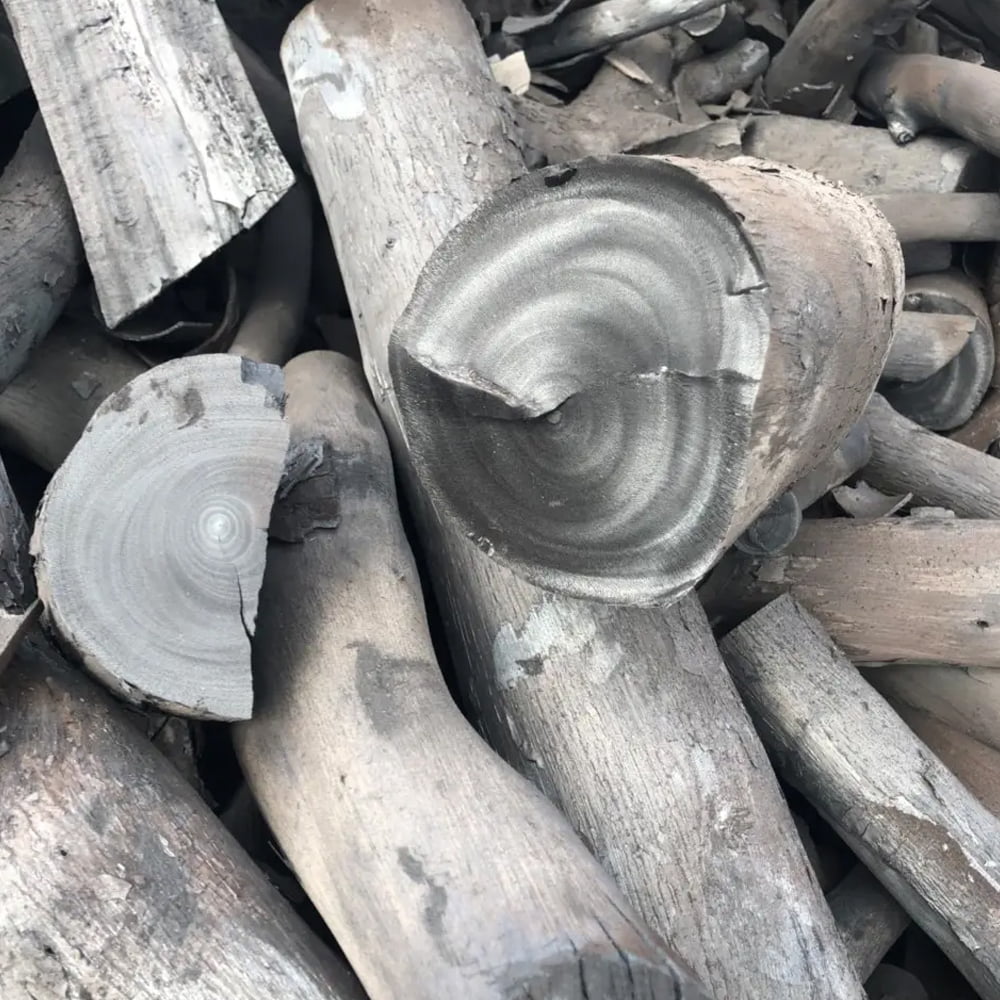
Partner with Vietnam Charcoal today
Vietnam Charcoal is a reliable producer and exporter of high quality charcoal to buyers in the market in the Middle East, Asia, Europe and North America. We have a large variety of products – starting with sawdust briquettes and up to black and white charcoal and we ensure the fulfilment of the various requirements of the importers, wholesalers, restaurant supply chains as far as we can produce 150 containers in a month. Our charcoal is produced with legal, sustainable, environment friendly wood base, third party inspectors such as SGS and Vinacontrol tested and shipped in safe packaging worldwide.
In case you need a reliable supplier of charcoal, which can provide the trustful quality, good prices and professional service of working with you, the Vietnam Charcoal is your perfect one. Call us now to get samples, product specifications or a quote at your market.


 English
 العربية
 日本語
日本語 한국어
한국어